You catch the 4.15 from Roma Street to Red Hill, the carriage rattling over the river while your phone stays in your pocket. The pokies floor at the local RSL hums with that familiar clatter, coins dropping into trays while regulars nurse their coffees and watch the same machines spin for the third hour on a Tuesday. You do not need to be in that room to know the difference between a pub pokies session and an online session, because the pace alone tells you everything about where your money goes. Max mode feature pokies Australia is the phrase that keeps turning up in forum threads, and it means something very specific when you sit down with a fixed bankroll and a hard stop in mind. The greatest catch slot the greatest catch slot sits on your screen while you decide whether to push the spin button or walk away, and that decision is where the whole thing lives or dies.
A cautious researcher does not chase a feature and hope the maths sorts itself out. You set a session budget before you log on, you divide it into staking blocks, and you treat a loss limit like a train departure time you cannot miss. The contrast with a physical venue is stark, because a pub pokies machine has a slow rhythm and a visible coin tray that makes every pull feel like a separate decision, whereas an online screen compresses all of that into a single swipe and a spinning reel. Some operators argue that the speed is a feature, not a bug, because faster play means more entertainment per dollar and a tighter loop of feedback for the player, but a regulator watching the same screen sees a different problem, one where the same dollar can disappear in minutes if the staking plan is loose. You can read what other players are saying over on what players are saying and notice that the same names keep arguing about whether a max mode button helps discipline or simply dresses up a loss in brighter colours.
Set your session budget before you log on
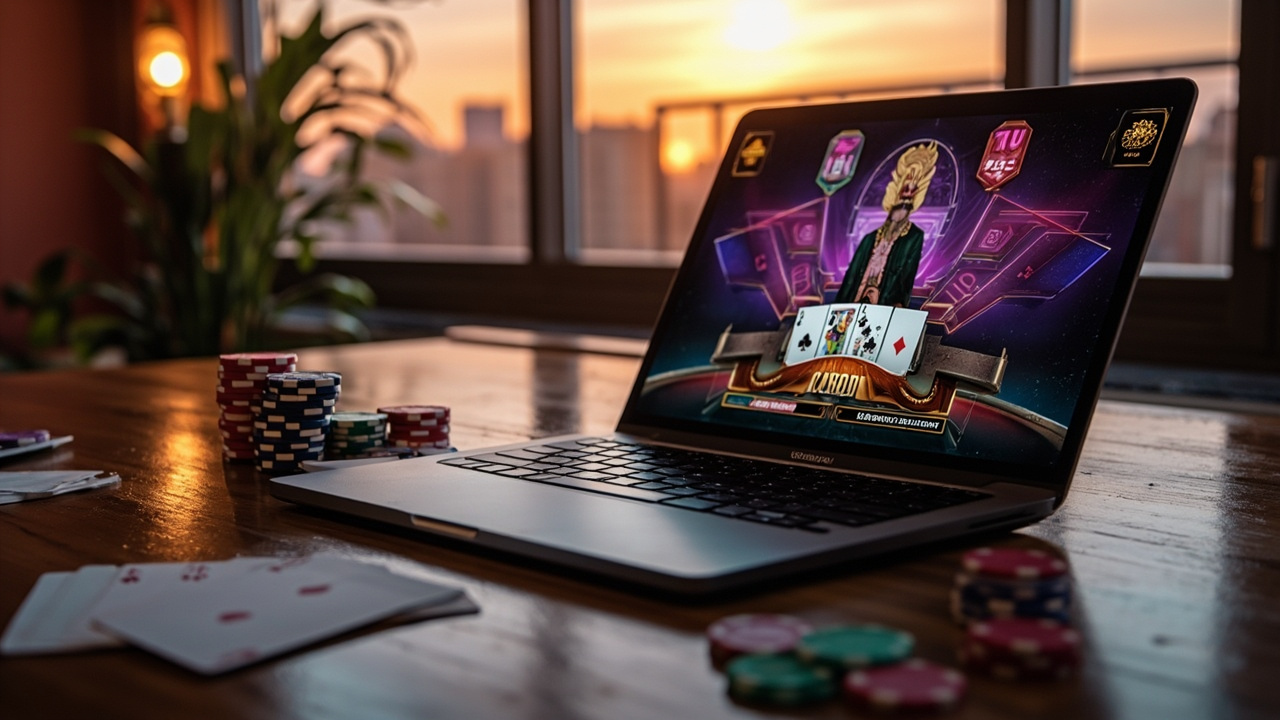
You sit down with a number in your head and you do not move it because the reels look friendly. A sensible approach is to decide the total session budget first, then break it into staking blocks that match the volatility of the machine, because a high-variance pokie can sit flat for a long stretch and then swing hard in a single minute. Say you bring fifty dollars to the session and you split it into five blocks of ten, which gives you a simple rule: if a block is gone, you either reduce the stake or you stop, and you do not dip into the next block just because the screen is glowing. The before-and-after comparison here is plain, because the player who decides the budget after the first win has already lost the argument, while the one who writes the limit down before the first spin keeps the session on a rail. Dylan Morris, Independent iGaming Expert, Coastal Wager Research, puts it this way: “A max mode toggle is only useful if it sits inside a staking plan you already agreed to, because the button does not think for you and it will not bail you out when the variance turns.” Germany introduced a national online gambling framework in the early 2020s, and the point for an Australian player is not the paperwork but the lesson, which is that a framework only works when the player’s own limits are written down before the session starts.
Know the machine before you push the button
You do not need a degree to read a paytable, but you do need five minutes of patience before you commit any money. The return-to-player figure is a long-run average, not a promise for your Tuesday night, and the volatility tells you whether the machine tends to pay small and often or hold back and then hit harder, which matters a lot when you are working with a fixed bankroll. A practical check is to look at the max bet ceiling and the minimum stake, because a machine that forces a high minimum can chew through a session budget in ways a lower-stake machine will not. Dylan Morris, Independent iGaming Expert, Coastal Wager Research, adds a caveat that matters here: “Volatility is the part most players skip, and it is the part that decides whether a max mode feature feels like a bonus or a trap when the dry spells start.” You can treat the paytable as a map rather than a promise, and you can decide in advance which machines fit your staking blocks instead of letting the screen pick for you.
Use a loss limit that actually stops you
A loss limit only works if it is hard enough to make you pause, and a soft limit that you override with a sigh is just a suggestion you made to yourself. You can set a time limit alongside a money limit, because a machine that keeps paying out small wins can keep you in the chair long after the budget is gone, and the clock is sometimes a better brake than the balance. The trade-off is that a tighter limit can cut a session short before a feature hits, which is the price of protecting the bankroll, and you have to decide whether that price is one you are willing to pay. A practical method is to write the stop number on a scrap of paper and leave it next to the device, because a number you can see is harder to argue with than a number you remember. The disagreement here is real, because some players say a hard stop kills the fun and turns a session into a spreadsheet, while others say the spreadsheet is exactly what keeps the fun from turning into a hole in the wallet.
Compare pub pokies with the online screen
The RSL floor has a rhythm you can feel in your shoulders, with the noise of the room and the sight of other players at neighbouring machines, and that social layer changes how long you stay and how much you spend. Online play strips most of that away and leaves you with a screen, a spin button and your own impulse, which is why the same bankroll can behave very differently in the two settings. A pub machine often has a slower cadence and a visible coin tray that makes each pull feel like a separate decision, while an online session can compress the same money into a faster loop if you do not set your own pace. The point is not that one is better than the other, but that the bankroll rules need to match the environment, because a staking plan built for a quiet online session can fail in a noisy room and vice versa. You can watch how the room changes your behaviour and then decide whether your session budget needs a tighter clamp when you are playing alone at home.
Decide when to stop before the session starts
A stop rule works best when it is tied to a concrete condition, not a feeling you hope will arrive at the right moment. You can decide that a win equal to half the session budget is enough, or that a loss of three staking blocks means the session is over, and you can write that rule down before the first spin so it is not negotiable later. The trade-off is that a strict stop rule can leave money on the table, but the alternative is usually a longer session that eats the bankroll and then some. A named method that helps is the block system, where you treat each block as a separate mini-session with its own result, because that makes it easier to stop after a bad block without chasing the next one. Dylan Morris, Independent iGaming Expert, Coastal Wager Research, says the stop rule matters more than the button: “The player who decides the exit before the entry is the one who keeps the session affordable, and every other trick is just decoration on top of that.”